Access to clean and safe drinking water is a fundamental responsibility of municipalities. Every day, water treatment facilities process millions of gallons of water to ensure it meets federal and state safety standards. Municipal water filtration is a multi-stage process designed to remove sediment, microorganisms, chemicals, and contaminants before water reaches homes, schools, hospitals, and businesses.
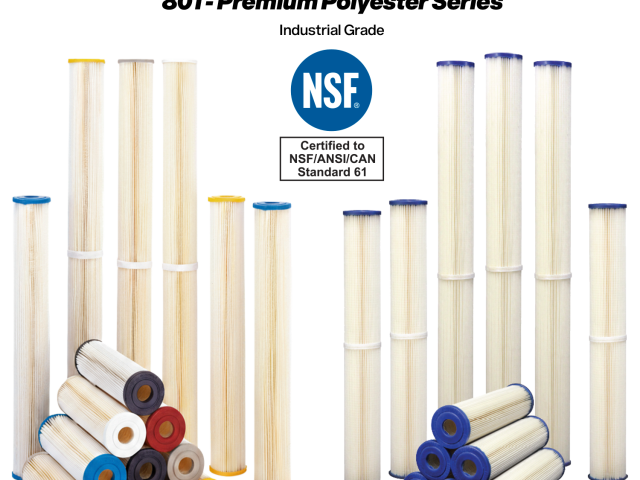
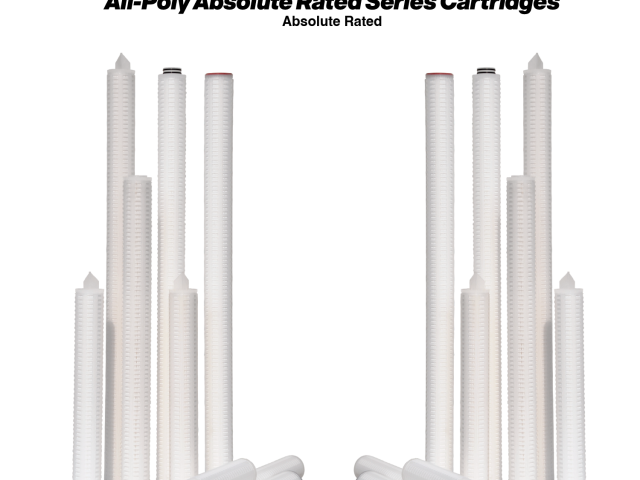
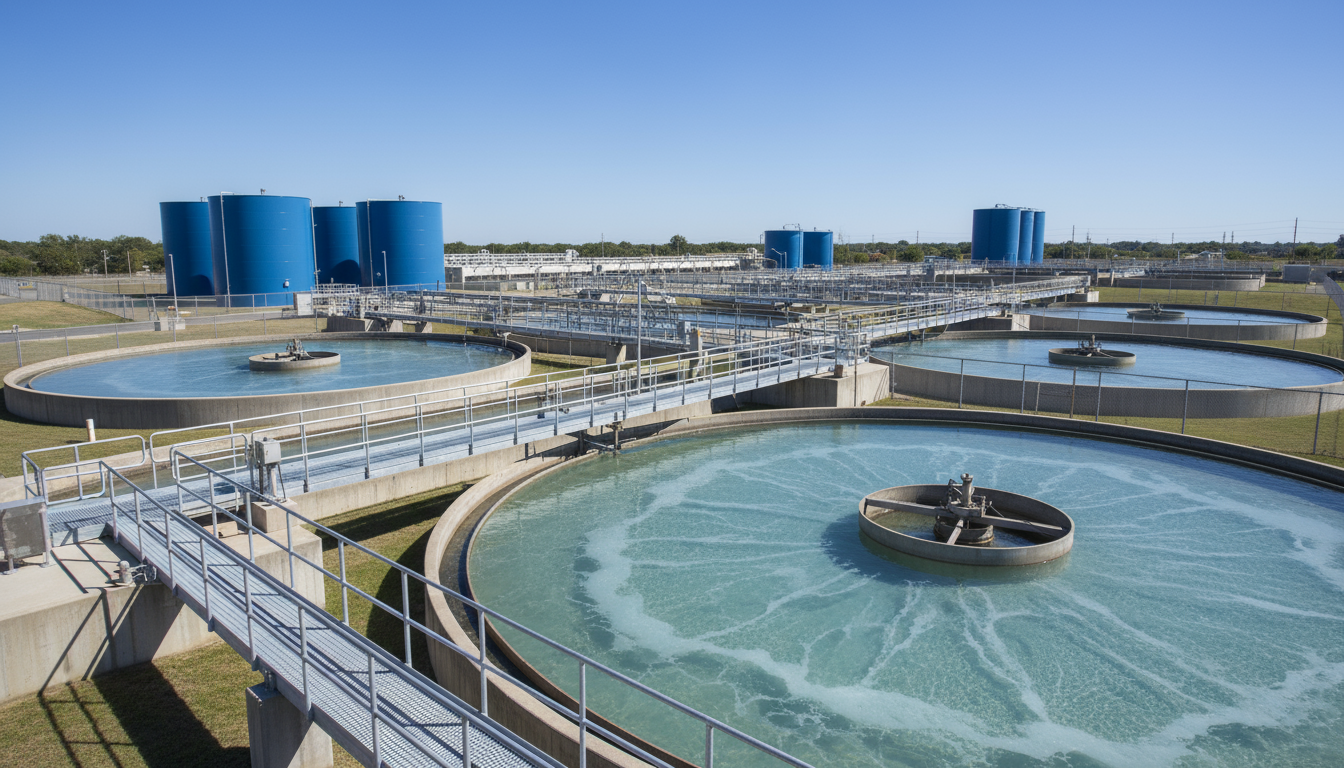
The process typically begins with coagulation and flocculation. During this stage, chemicals such as alum are added to the water, causing tiny particles to bind together into larger clusters called floc. Water then moves into sedimentation basins where gravity allows those particles to settle. Filtration follows, which may include sand filters, membrane filtration, or advanced systems like pleated cartridge filters that improve efficiency and clarity.
Disinfection is the final stage before distribution. Most municipalities use chlorine, ultraviolet light, or ozone to neutralize bacteria, viruses, and parasites. Maintaining proper filtration before disinfection reduces the amount of chemicals required and increases effectiveness. This step is essential to prevent waterborne illnesses such as E. coli, Giardia, or Cryptosporidium.
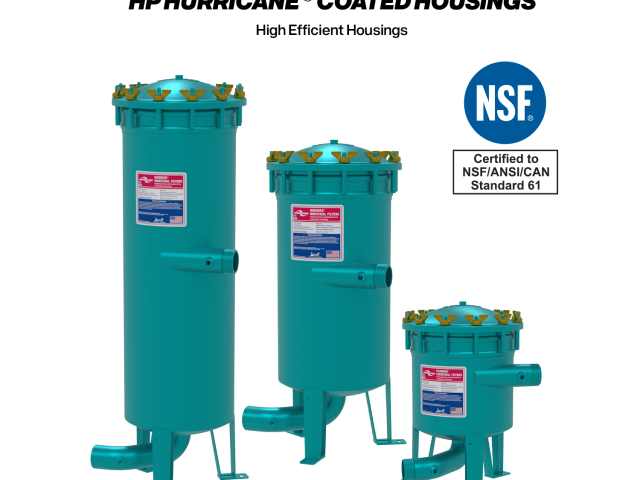
A growing challenge for municipal systems is the presence of emerging contaminants—PFAS (forever chemicals), pharmaceuticals, nitrates, and microplastics. Many traditional systems weren’t designed to remove these substances. As a result, municipalities are upgrading filtration infrastructure with technologies like activated carbon, ion exchange, and high-capacity cartridge systems to meet evolving standards.
Aging infrastructure is another concern. Many water treatment plants in the United States were built decades ago and now require modernization. Upgrading filtration systems improves reliability, reduces maintenance costs, and helps cities comply with EPA regulations.
Municipal water filtration is not just about compliance—it is about protecting public health and building trust. Clean drinking water prevents disease, supports economic growth, and ensures environmental safety. As water challenges increase, advanced filtration solutions will continue to play a critical role in safeguarding communities.