In the food and beverage industry, water quality directly affects product safety, taste, shelf life, and compliance with health regulations. From breweries and juice manufacturers to dairy plants and bottled water facilities, filtration plays a crucial role in every stage of production.
Water used in food processing must be free from particles, chlorine, bacteria, and organic impurities. Even minor contaminants can alter flavor, cause cloudiness, or disrupt fermentation processes. For example, chlorine can inhibit yeast in breweries, while sediment can damage spray nozzles or clog filling machines.
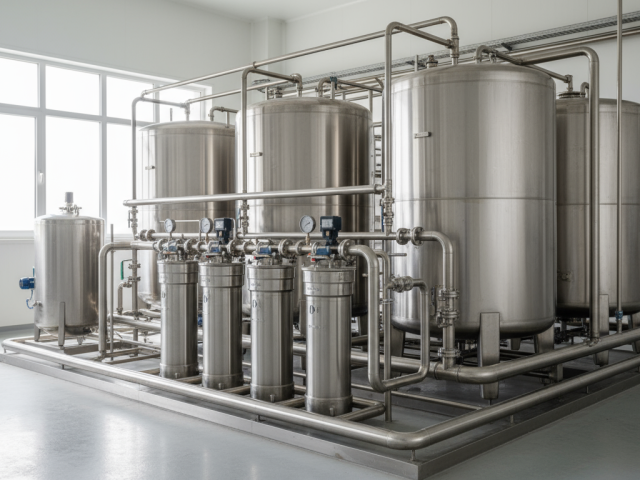
Most facilities use a multi-step filtration process. This begins with pre-filtration using pleated cartridges or sand filters to remove rust, sand, and suspended solids. Next, activated carbon filters remove chlorine, chloramines, and odors. For high-purity applications—such as bottled water or pharmaceutical-grade beverages—reverse osmosis or ultrafiltration is used to eliminate dissolved minerals, bacteria, and viruses.
The equipment used in these industries, including boilers, steam generators, and piping systems, must also be protected from scale and corrosion. Water softeners and anti-scaling filters help extend equipment life and improve energy efficiency.
Regulatory agencies such as the FDA and USDA require food and beverage manufacturers to meet strict water quality standards. Filtration is a key part of Hazard Analysis and Critical Control Point (HACCP) compliance.
By investing in high-performance filtration systems, companies can improve product consistency, maintain hygiene standards, and reduce downtime from equipment failures. Clean water is not just an ingredient—it is the foundation of every reliable and trusted food or beverage product.