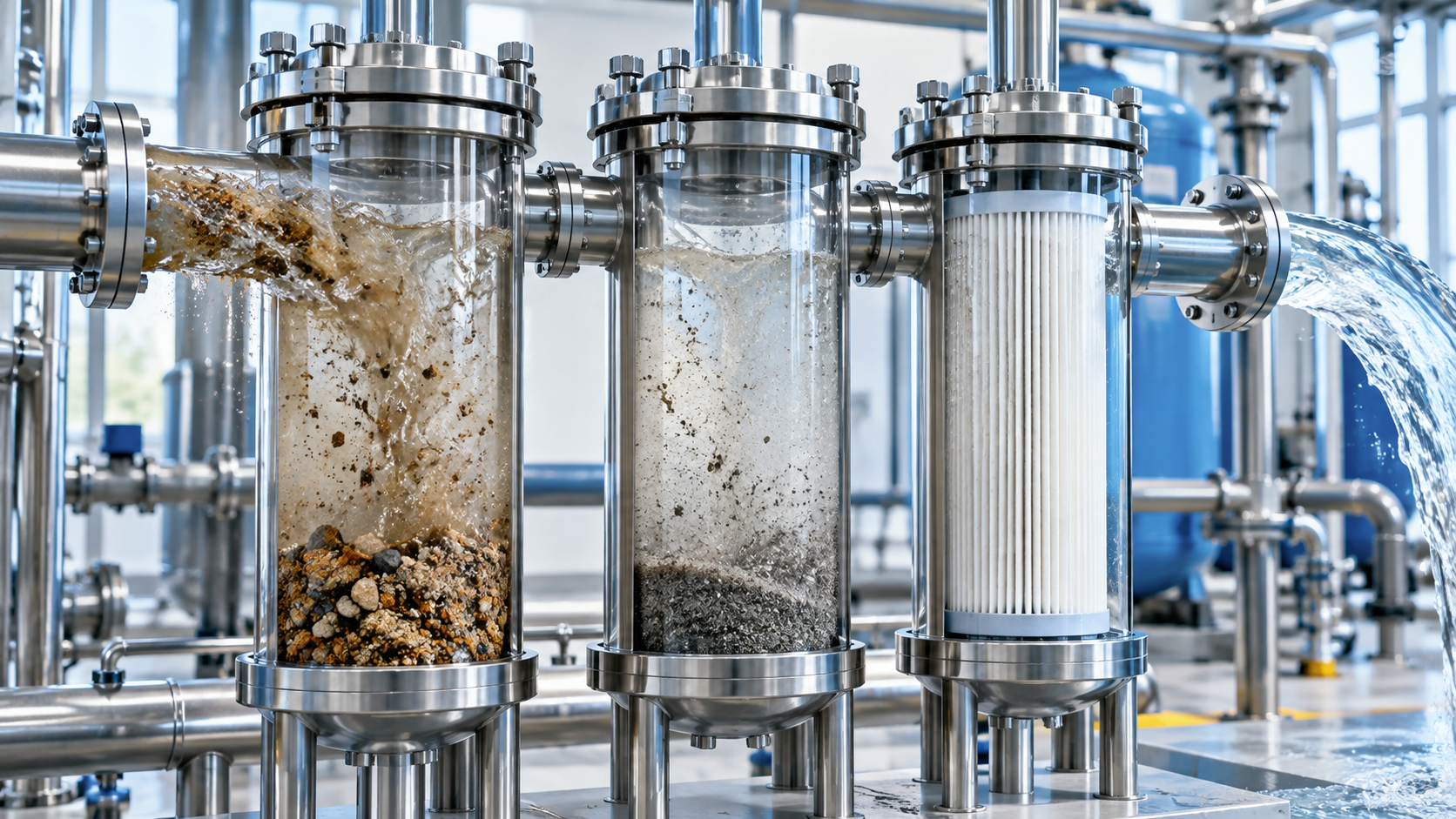
Sediment is the most common — and most solvable — commercial water problem. If you’re researching how to remove sediment from commercial water, the answer comes down to staging: separate the heavy solids first, then filter the fines, then polish if your process demands it.
Step 1: Knock Out Dense Solids with Cyclonic Separation
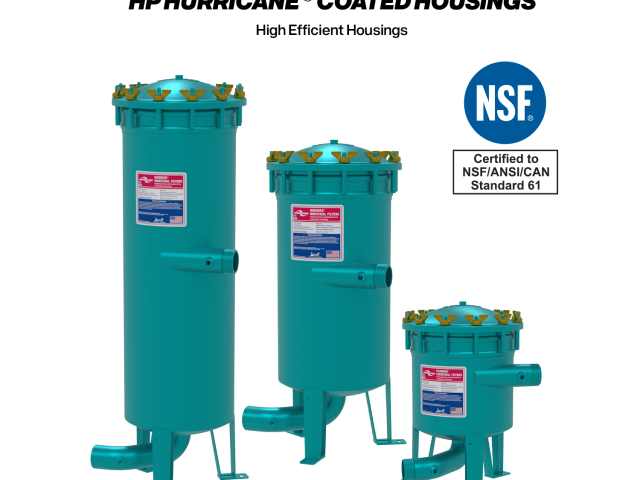
Sand, grit and rust particles are dense — which means physics can do the work before a filter ever has to. Harmsco’s patented Hurricane® up-flow housings spin incoming water so dense solids drop out into the housing base, where they purge out a drain. That single stage can capture the bulk of sediment load and multiply the life of every cartridge downstream.
Step 2: Cartridge Filtration Sized to Your Particles
Next, match the cartridge micron rating to what’s left. A common commercial sequence:
- 50–150 micron — coarse sand and visible particles
- 5–20 micron — silt and fine rust
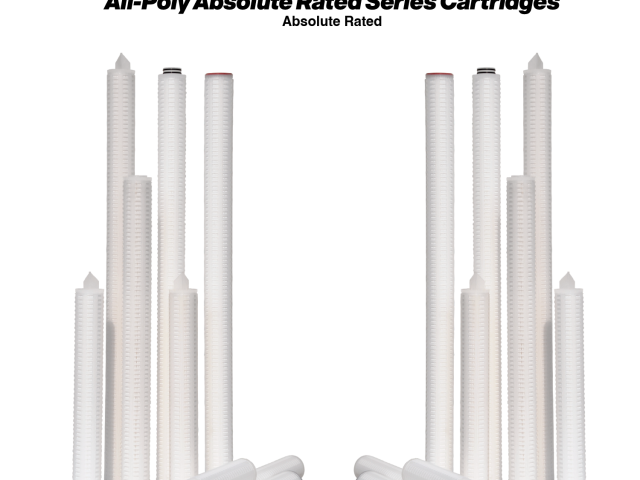
- 1 micron absolute — polish ahead of UV, RO or sensitive equipment
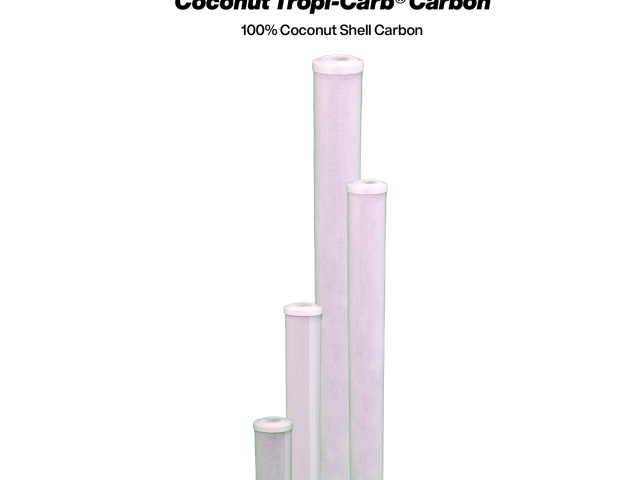
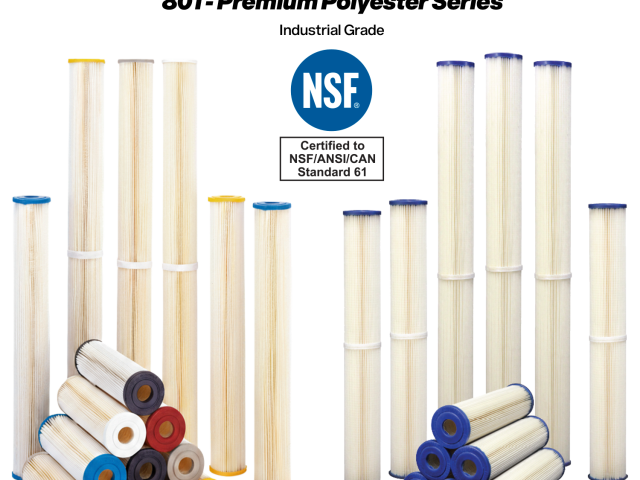
Harmsco pleated cartridges hold more dirt than wound or spun media at the same rating, which means fewer change-outs on dirty water.
Step 3: Size for Flow, Not Just Micron
Undersized housings clog fast and starve pressure. Size the housing so your peak flow runs at a comfortable pressure drop — Harmsco housings scale from single-cartridge units to stainless systems rated for 2,400 GPM, all NSF certified and made in the USA since 1958.
Not sure what’s in your water? Contact Harmsco with a water sample report and flow rate — our team will spec the stages for you.