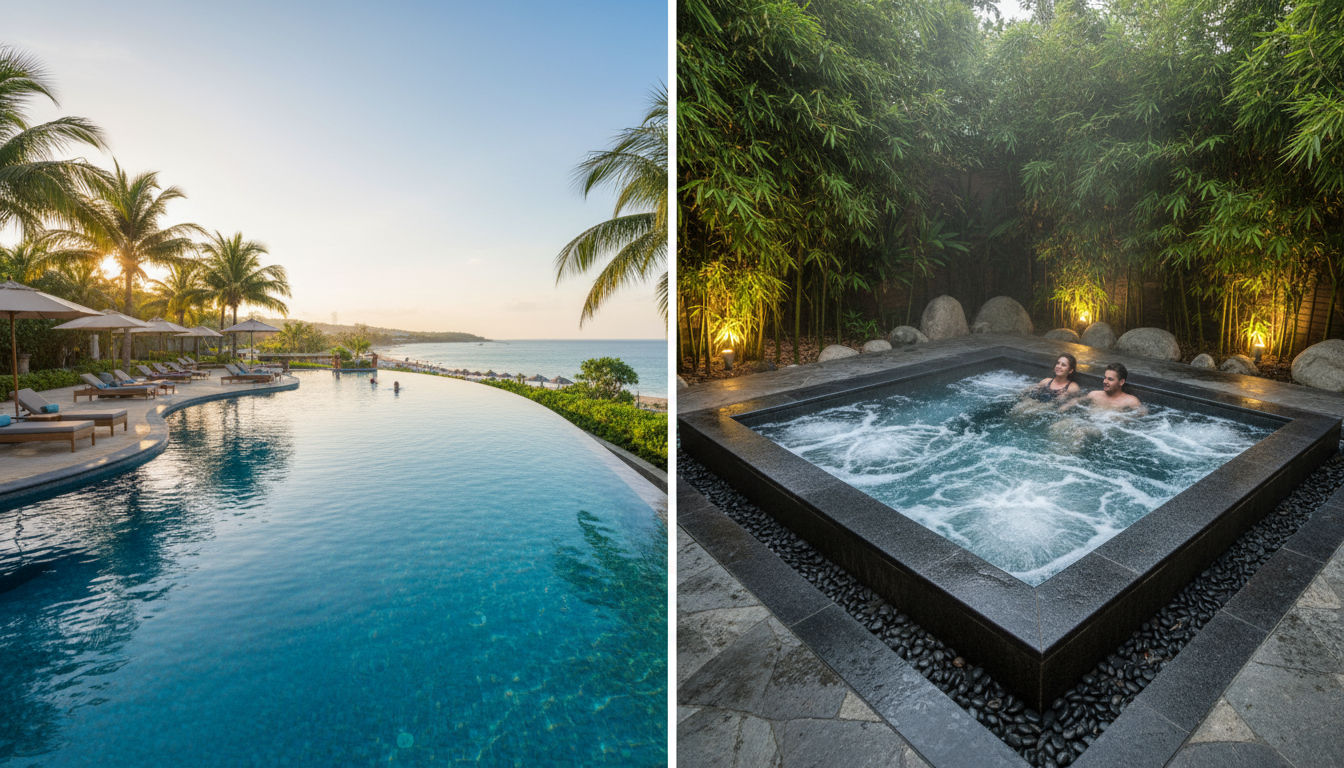
Pool and spa water must be clean, clear, and safe to enjoy. Whether in a residential backyard, hotel resort, public pool, or spa facility, proper water filtration is essential for health, appearance, and user experience. Filtration removes fine particles, harmful contaminants, oils, cosmetics, and microorganisms that chlorine or sanitizers alone cannot eliminate.
Pools and spas use recirculating filtration systems that draw water from the basin, pass it through a filter, and return it clean. The most common filtration systems include sand filters, cartridge filters, and diatomaceous earth (DE) filters. Each offers different levels of filtration and maintenance requirements.
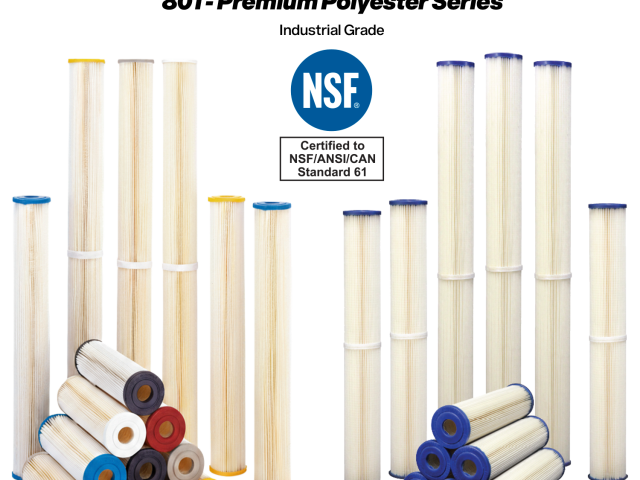
Sand filters use graded silica sand to trap debris. They are durable and easy to maintain but only filter particles down to about 20–30 microns. Cartridge filters, like pleated polyester media, provide finer filtration—down to 10 microns—while operating at lower pressure and using less water during cleaning. They are ideal for residential pools, spas, and light commercial use. Diatomaceous earth (DE) filters provide the finest filtration, down to 2–5 microns, but require more frequent upkeep.
Even with sanitation chemicals, filtration is essential for water clarity and safety. Sunscreens, sweat, hair products, and airborne debris all enter pool and spa water. Without filtration, contaminants cause cloudy water, unpleasant odors, algae growth, and skin or eye irritation. Efficient filtration reduces chemical usage by removing physical contaminants before they react with chlorine and form harmful chloramines.
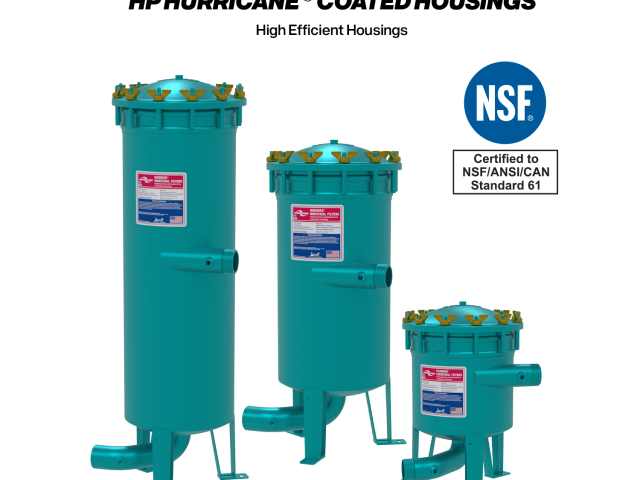
Commercial pools, resorts, and aquatic centers must also meet local and state health regulations. NSF/ANSI Standard 50-certified filtration systems ensure compliance with public pool safety standards. High-capacity stainless steel housing systems with pleated cartridges are commonly used in larger installations due to their efficiency, durability, and low operating cost.
Proper maintenance is equally important. Filters should be cleaned or replaced as recommended by the manufacturer. Pressure gauges should be monitored to detect flow restriction or clogging. Additionally, maintaining correct water balance—pH, alkalinity, and sanitizer levels—helps filtration systems work effectively and prevents corrosion or scaling.
Investing in quality pool and spa filtration ensures crystal-clear water, extends equipment life, and enhances the overall user experience. Whether at home or in a large-scale facility, clean water is not just about appearance—it is about safety, comfort, and long-term reliability.