
Homeowners are increasingly turning to residential water filtration systems to improve taste, reduce contaminants, and protect their families’ health. Even though municipal systems treat public water, trace levels of chlorine, sediment, heavy metals, and microplastics can still travel through pipes and enter household taps. Residential filtration provides an added layer of protection.
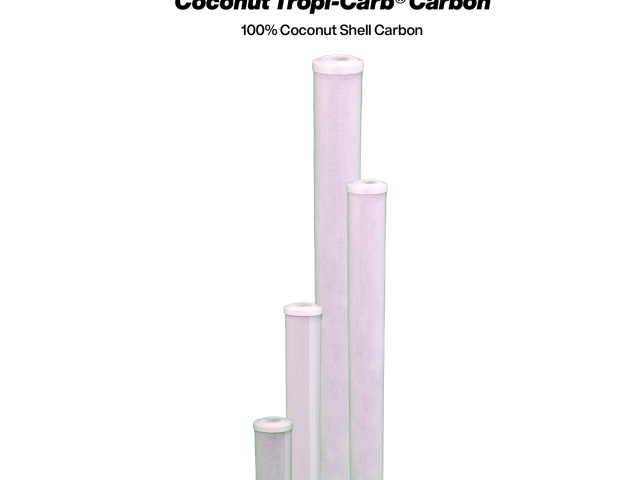
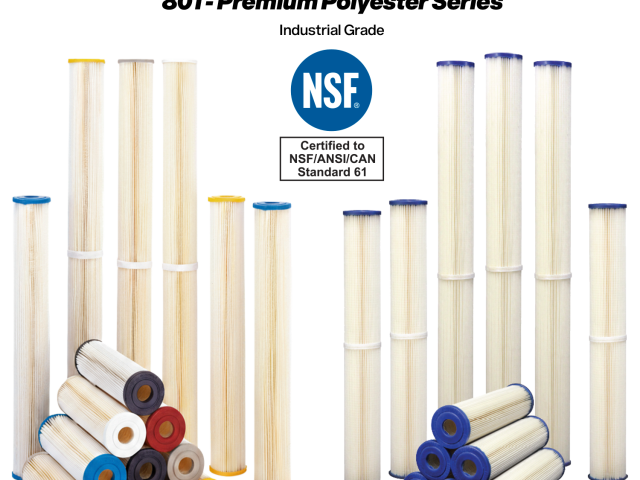
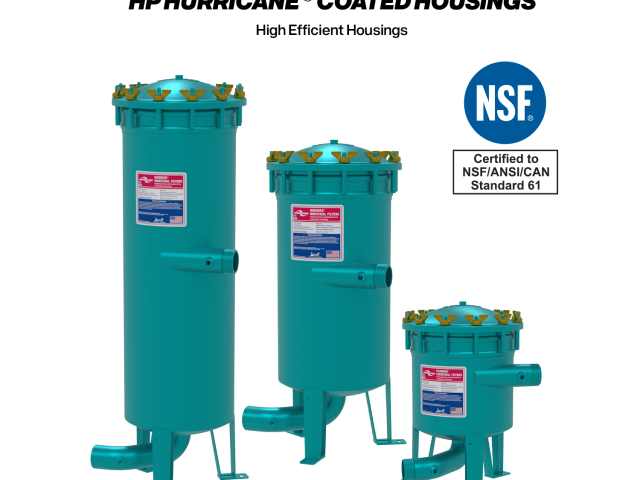
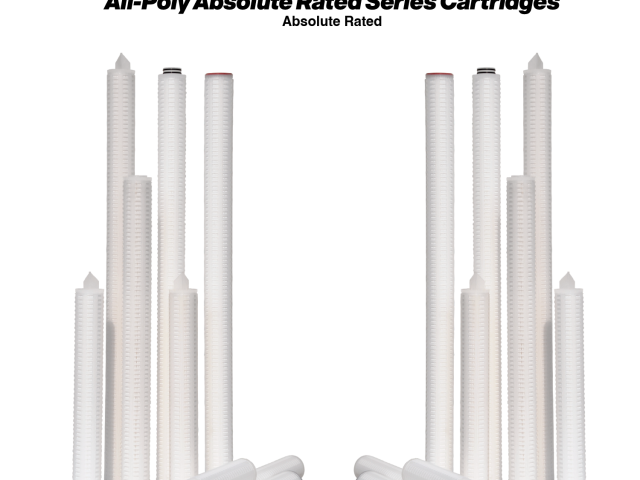
There are three main types of home water filtration: point-of-use, under-sink, and whole-house systems. Point-of-use filters are installed on faucets or used in pitchers and are ideal for drinking water. Under-sink systems provide multi-stage filtration, often using carbon blocks and sediment filters to remove chlorine, lead, pesticides, and organic compounds. Whole-house systems are installed at the main water line and ensure every faucet and appliance in the home receives filtered water.
Home filtration offers several advantages. It improves taste and odor by removing chlorine and sulfur compounds. It helps prevent scale buildup in appliances such as water heaters, dishwashers, and coffee makers, extending their lifespan. In areas with well water, filtration removes iron, sulfur, and bacteria that can stain fixtures or cause health issues.
Advanced systems may include reverse osmosis or UV purification for households requiring high-purity water. Reverse osmosis removes dissolved salts, nitrates, and even viruses, while UV treatment eliminates microorganisms without using chemicals.
Homeowners should replace filters according to manufacturer guidelines to maintain performance. A properly installed and maintained filtration system is one of the most effective ways to provide clean, safe, and great-tasting water for everyday use.
For families, residential filtration is not a luxury—it’s peace of mind.