In commercial operations, water quality directly affects product safety, equipment performance, regulatory compliance, and customer satisfaction. Whether it’s a hotel, restaurant, manufacturing plant, or healthcare facility, commercial water filtration plays a vital role in day-to-day operations. Poor water quality can lead to mineral scaling, bacteria growth, unpleasant taste or odor, and increased maintenance costs. A well-designed water filtration system helps businesses protect their infrastructure, maintain safety standards, and operate efficiently.
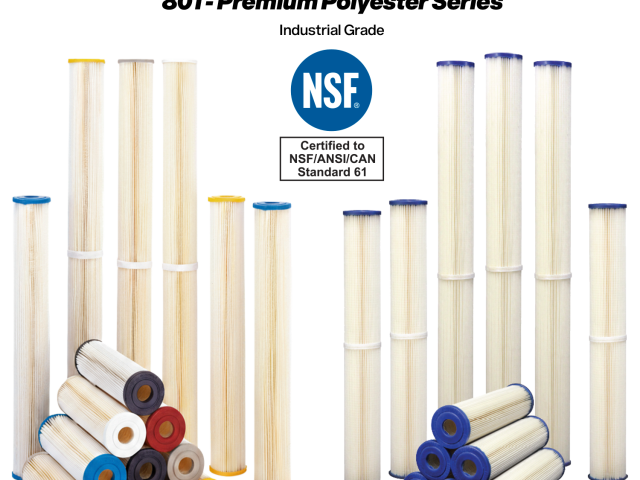
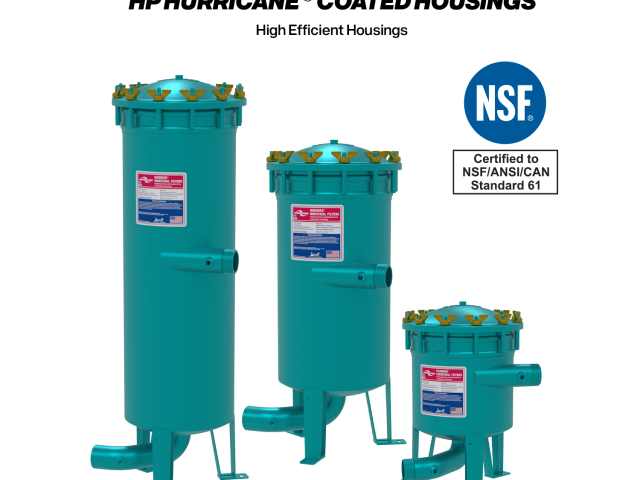
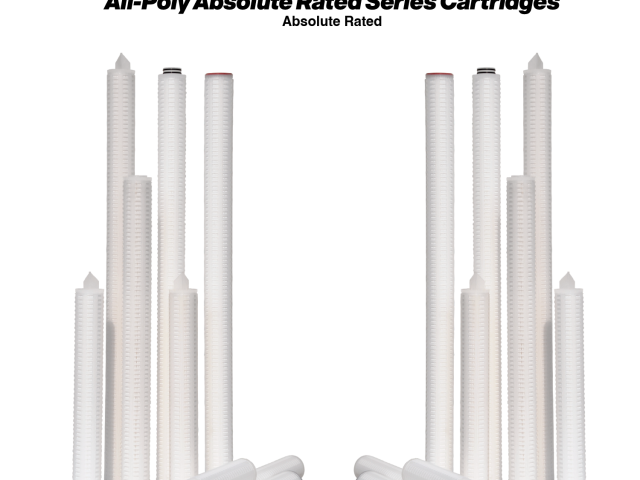
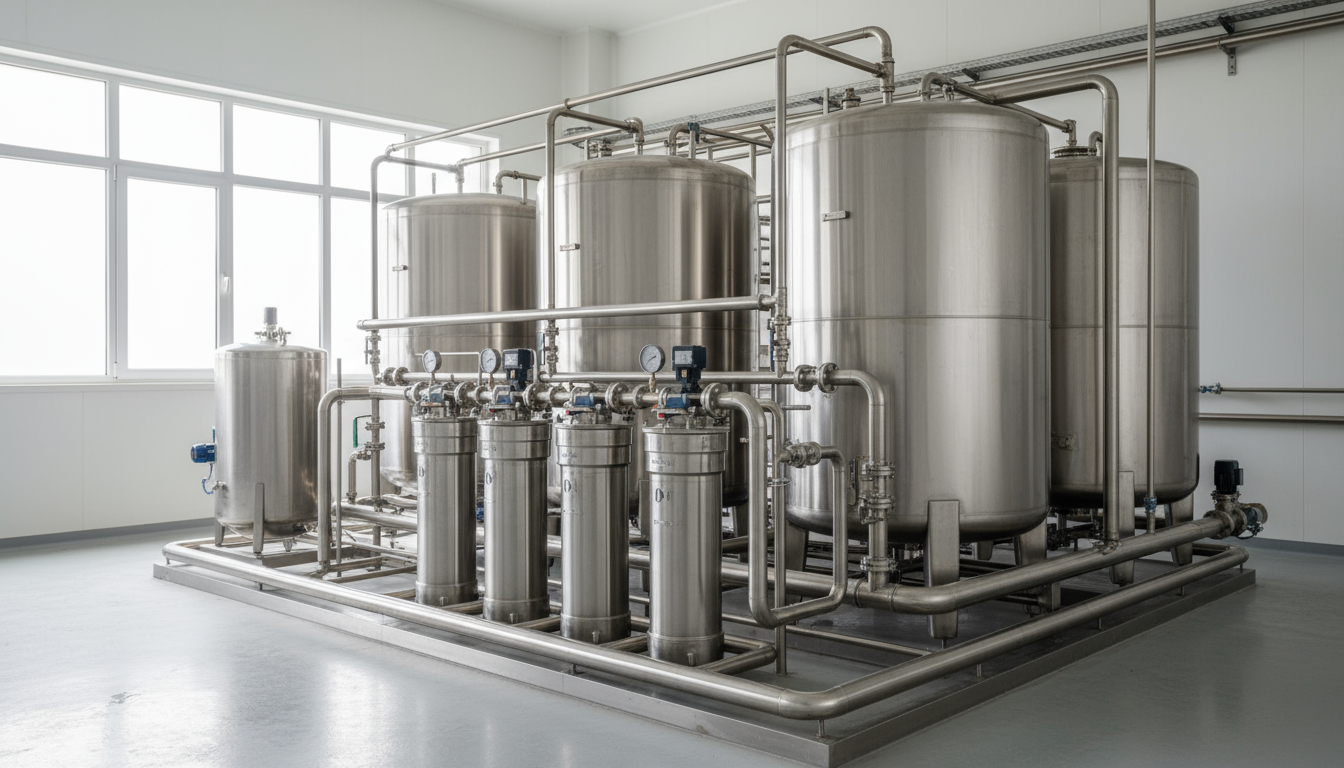
Commercial filtration systems are engineered to remove sediment, chlorine, heavy metals, microorganisms, and chemical contaminants from incoming water. Unlike standard residential systems, commercial filters are built to handle higher flow rates and continuous demand. Multi-stage filtration is often used, beginning with pre-filtration to remove sand, rust, or particulate matter, followed by activated carbon or pleated cartridge filters to remove fine particles, chlorine, and organic compounds. For applications that require high purity—such as beverage production or medical facilities—additional technologies such as UV disinfection or reverse osmosis may be used.
One of the most important benefits of commercial water filtration is equipment protection. Scale buildup from calcium and magnesium can damage boilers, ice machines, dishwashers, and steam equipment. Corrosion from untreated water can shorten the lifespan of pipes and heating elements. By removing minerals and impurities, filtration extends equipment life and reduces service calls and downtime.
Another critical factor is regulatory compliance. Many industries, especially food service and healthcare, are required to meet local and federal water quality standards. For example, commercial kitchens must use filtered water for ice, beverages, and food preparation to meet safety regulations. Hospitals and clinics rely on sterile water to protect patients from infection. Installing a certified filtration system ensures businesses meet these standards and avoid violations.
Finally, water quality influences the customer experience. Clean water enhances the taste of beverages, ice, and food products. Guests in hotels and restaurants notice clear drinking water, spot-free glassware, and better-tasting coffee or tea. Investing in proper filtration is not just a safety measure—it contributes to brand reputation and customer satisfaction.
Commercial water filtration is not an option—it’s a necessity for efficient operations, safety, and long-term cost savings. Businesses that rely on clean, reliable water benefit from smoother operation, fewer breakdowns, and better overall service quality.